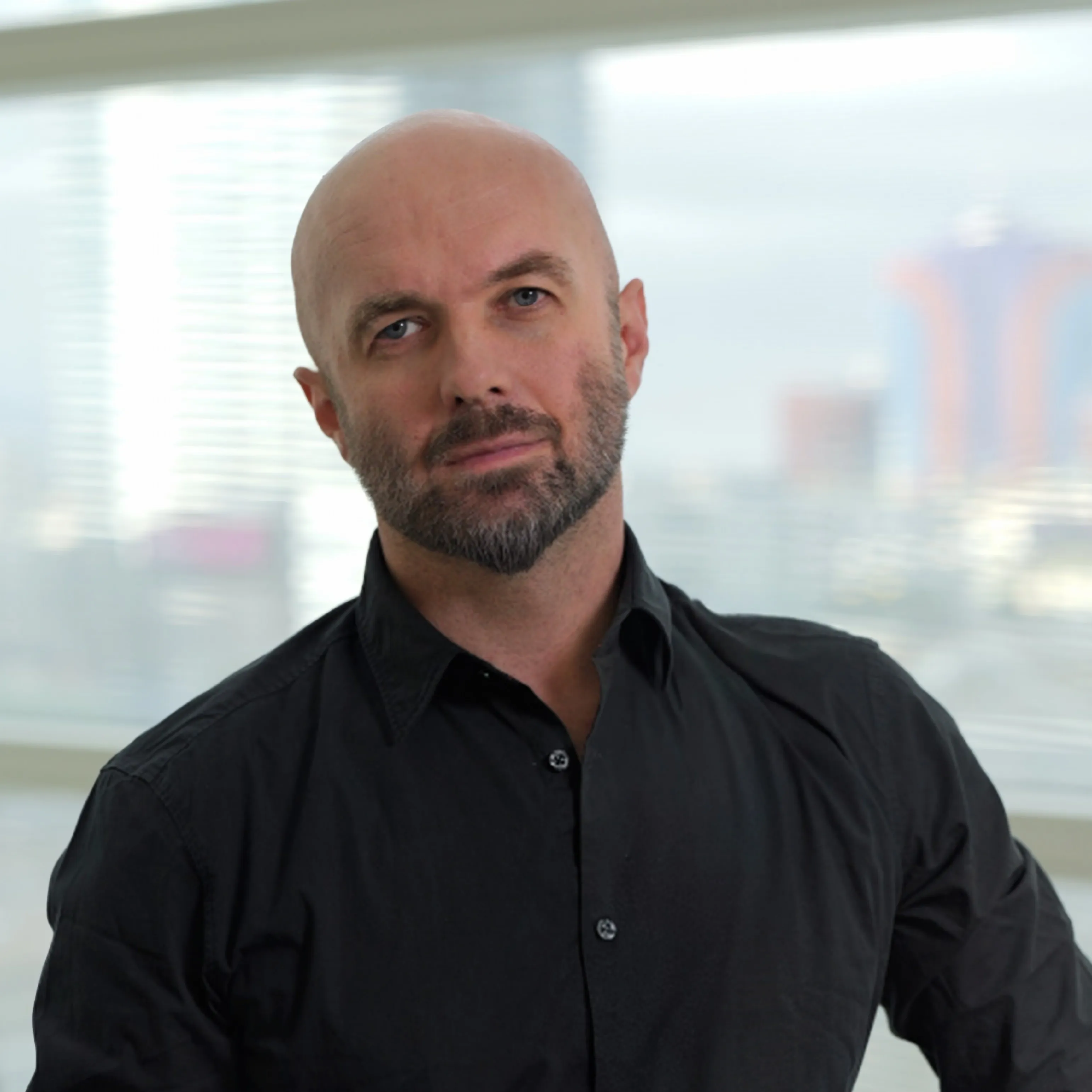
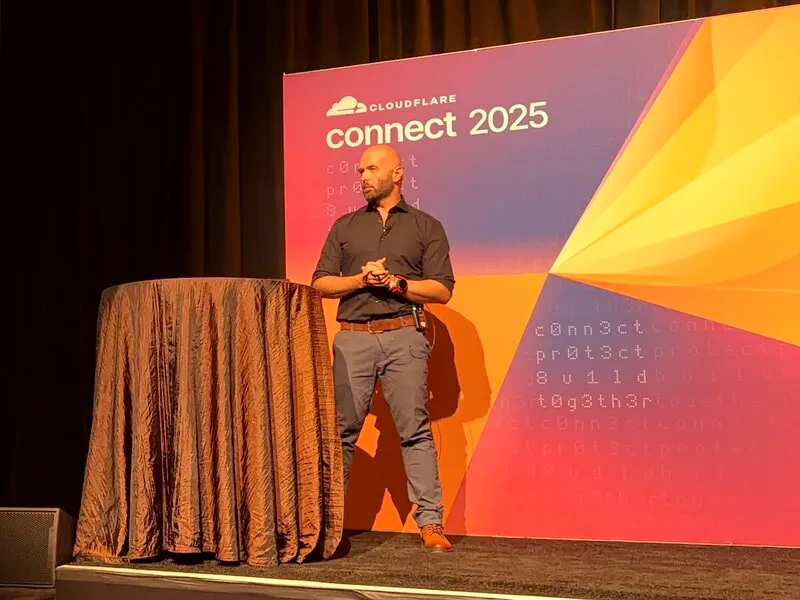
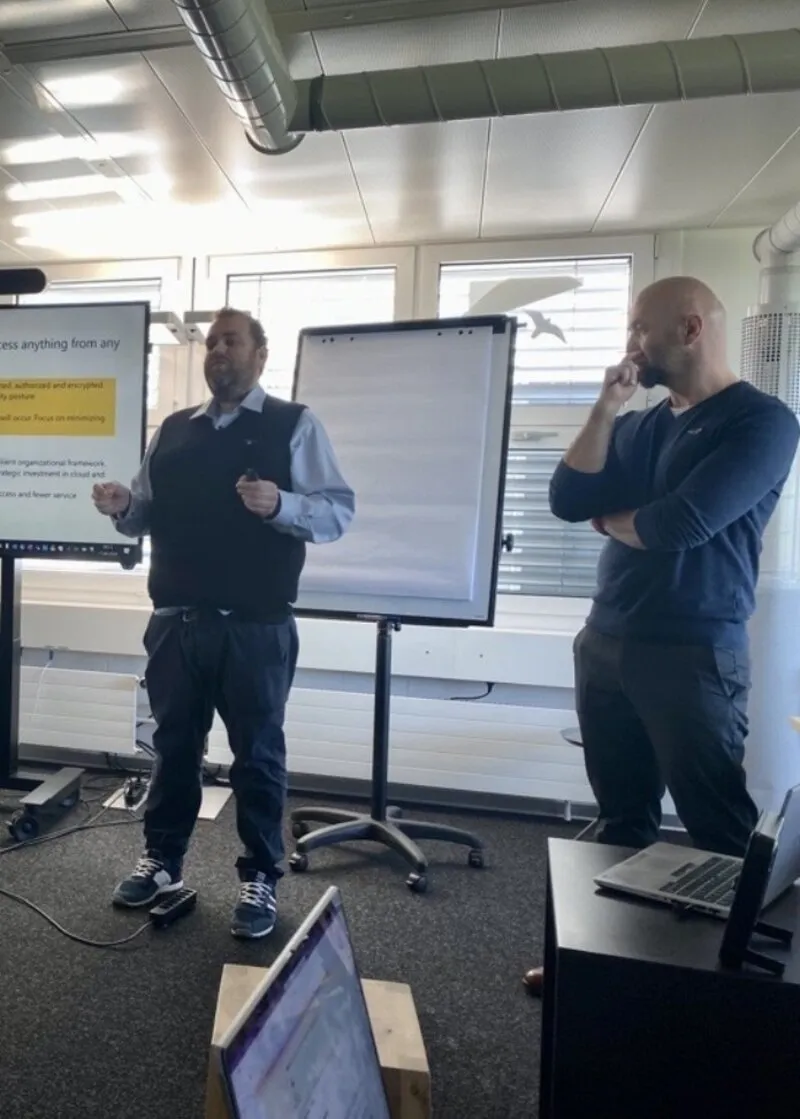
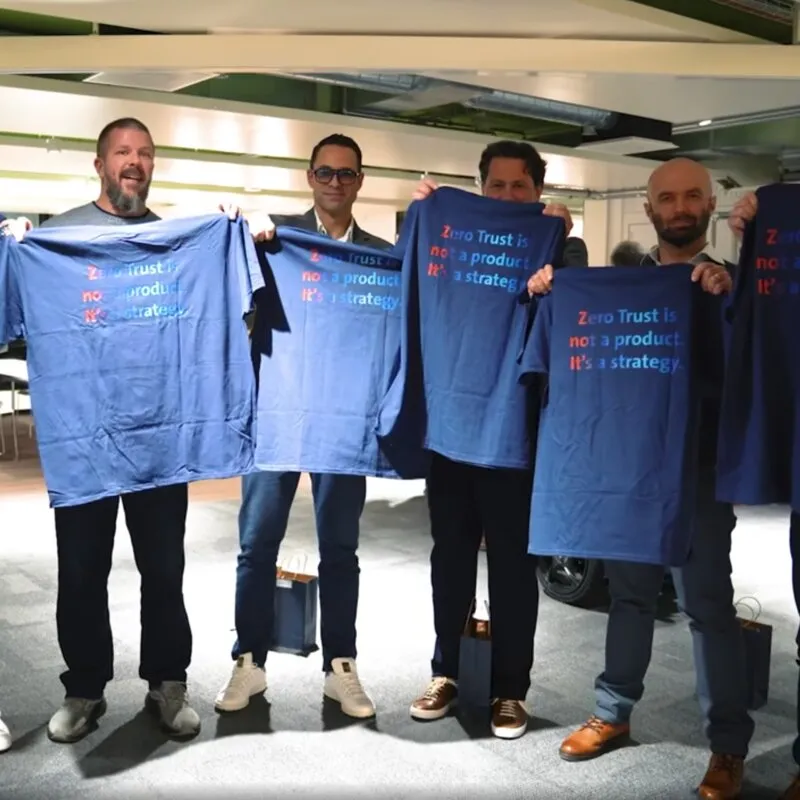
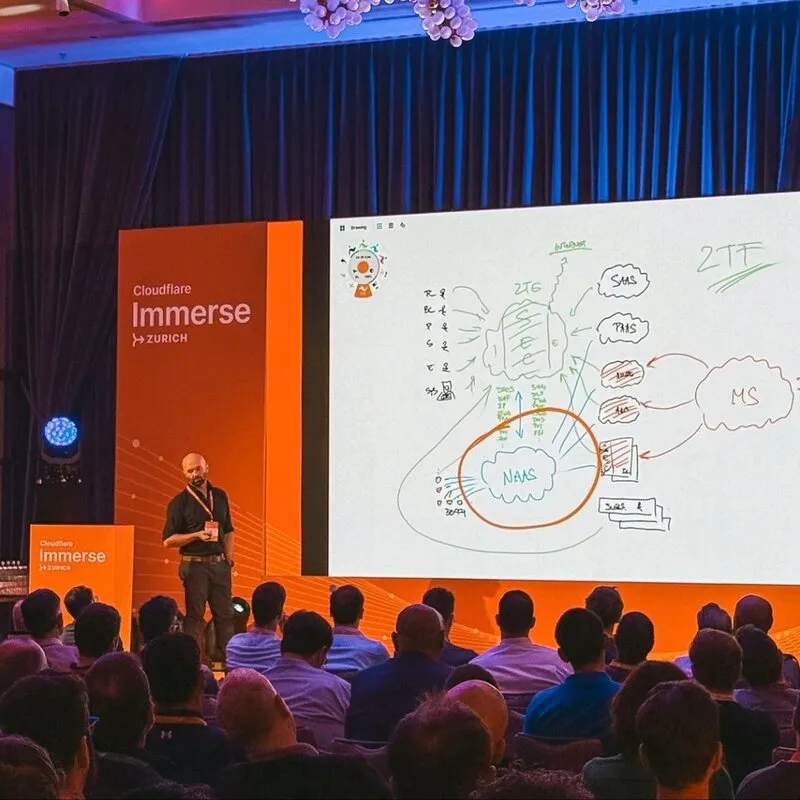
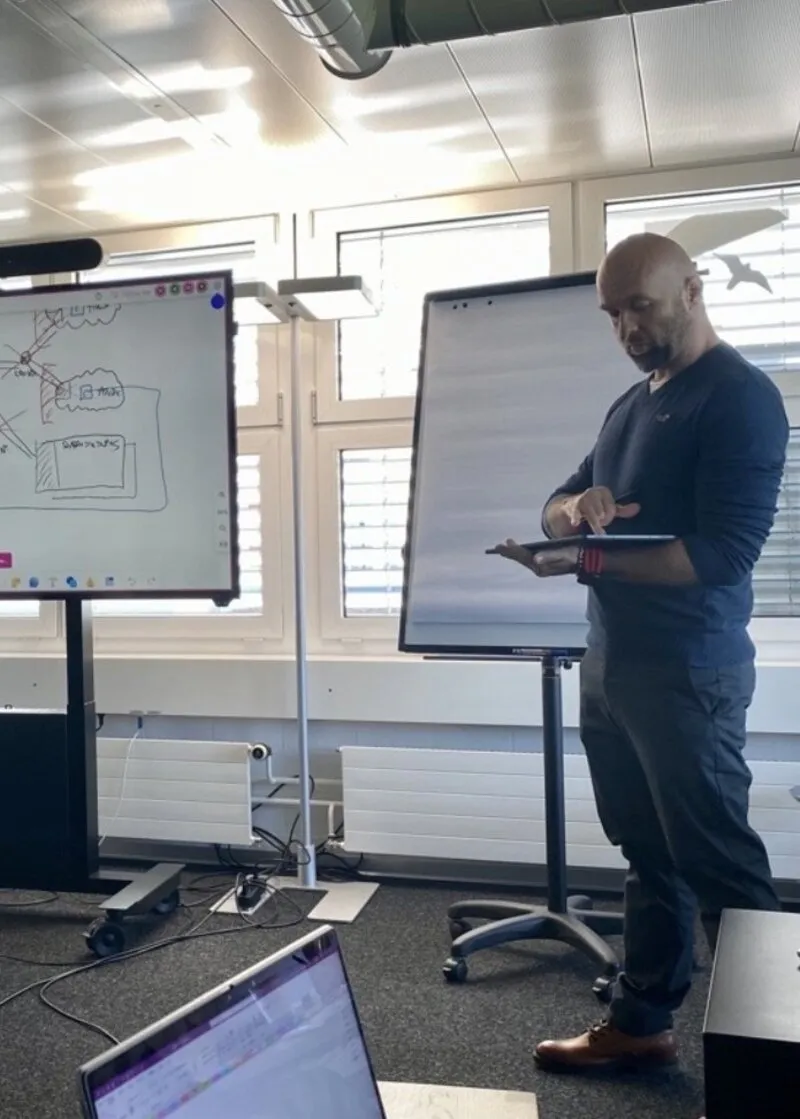

For over 14 years, I have worked as an architect at one of Switzerland’s largest critical infrastructure providers - across a plethora of projects in different domains. Beyond the theoretical frameworks of Zero Trust whitepapers, I have lived the failure points of legacy migrations - where small gaps become systemic incidents.
I learned that in high-stakes environments, complexity is not just an inefficiency - it is a vulnerability.
Most enterprises keep buying tools (DLP, CASB, identity controls, behaviour analytics) hoping for safety, but end up with vertical silos. And silos create blind spots. Blind spots create risk.
The answer was horizontal policy. Security woven into connectivity, not bolted on afterward. One enforcement and governance model applied consistently across identity, device, network, workload, and data - so controls do not fail at the seams. The result? Security that adapts to the user, not the other way around. Invisible when context is low-risk. Decisive when it matters.
At Gray Matter, I provide clear, accountable advisory to help organisations design, integrate, and operationalise Zero Trust architectures. I align technical architecture to executive objectives - bridging the gap between packets and protocols and the business outcomes that matter. This is how security stops being an impediment to delivery and starts enabling it.
My focus is Zero Trust that survives Swiss enterprise realities: federated organisations, legacy and OT environments, and board-level governance constraints.
Zero Trust at Critical Infrastructure Scale
This work provides a practical foundation - hands-on experience from leading one of Switzerland’s most significant Zero Trust transformations.
The Scale Challenge
At enterprise scale, failure will happen. The architecture had to assume breach - isolate quickly, detect faster, remediate autonomously. Prevention is a fantasy; resilience is the strategy.
Geographic Complexity
3,500+ locations requiring uniform security posture without unacceptable latency. From urban headquarters to remote field offices - one policy fabric.
Organisational Complexity
100+ subsidiaries with varying risk tolerances, all brought under a single horizontal policy model. Not by force, but by design that made adoption the path of least resistance.
User Scale
5M+ users across end customers, business customers, partners, suppliers, and employees - all governed by the same identity and access framework. Different trust levels, different access patterns, one coherent policy fabric.
Technical Debt
Decades of legacy IT and OT integrated without breaking critical national services. IoT devices. Industrial control systems. Mainframes from three decades ago. All governed by the same policy framework.
Governance Navigated
Complex organisational structure with multiple governance layers. Approved across IT leadership, executive management, and the board - then funded and executed as a multi-year programme.
This demonstrates the stakeholder alignment required for enterprise cybersecurity transformation over multiple years - not just the technical competence.
Comprehensive Pillar Coverage
All seven Zero Trust pillars addressed: Identity and access management. Device trust and posture. Network segmentation. Workload protection. Data security. Visibility and analytics. Automation and orchestration.
Why Direct Engagement Works
Experienced security leaders know the challenges of large-firm engagement models:
Engagement Continuity Large firms often staff engagements with a rotating cast of junior consultants. This requires constant re-education, and context is lost at each handover. Direct engagement ensures a single, accountable architect who maintains the vision from assessment through to operationalisation.
Incentive Alignment Large firms measure consultants on utilisation and sales. This creates pressure to extend engagements, expand scope, and make recommendations that generate follow-on work rather than solve problems. My success is measured by your outcomes, not my billable hours.
Practitioner Experience Partners at large firms often have not done hands-on technical work in years or decades. Their guidance is second-hand, removed from day-to-day delivery. My guidance comes from recent, hands-on experience building the systems I advise on.
This is not the right model for every engagement. If you need a team of 50 consultants or a global programme management office, a large firm is the appropriate choice. But if you need expert guidance from someone who has actually done the work, direct engagement delivers better outcomes.
To be clear: I architected and directed the Zero Trust transformation as Technical Director - working with internal teams and implementation partners over multiple years. The same architectural expertise that designed that transformation is what I bring to consulting engagements. I don’t implement at scale alone. I design at scale, then guide your teams through execution.
How I Work
Transparent Architecture Assessment I provide early-stage validation to prevent misallocated capital. Early course corrections prevent costly downstream rework. My goal is your success, not the next engagement.
Survivability Over Theory If a policy cannot survive peak operational loads or a legacy SAP instance, it is a liability, not a security measure. Every recommendation must be implementable within your constraints. Architecture that cannot survive contact with your budget, organizational culture, and legacy systems is not architecture - it is theory. I prioritise resilient, pragmatic architecture over theoretical models.
Impartial Vendor Neutrality No vendor partnerships. No referral fees. No undisclosed incentives. The architectural question is not “who should own everything?” It is “which vendors excel at their domains, and how do we integrate them so the gaps disappear?” When I recommend a product or approach, it is because I believe it serves your interests. This independence is non-negotiable.
End-to-End Programme Stewardship Security transformation is not a series of disconnected projects. It is a coherent programme that requires consistent vision. I stay engaged from assessment through implementation, ensuring that strategy actually translates into outcomes.
Resilience Over Perfection I design for failure - not to prevent it, but to survive it. Concentrated dependencies on global platforms will occasionally fail. The architecture that wins accepts this deliberately and designs for graceful degradation. “Total and rare” beats “partial and constant.” I do not design for a world where technology never fails - I design for a business that survives when it does.
Governed Autonomy - AI at Enterprise Scale
The principles of Zero Trust now extend to the next frontier: Artificial Intelligence.
AI agents need autonomy to respond at machine speed - but you cannot grant autonomy unsupervised. The solution is not removing humans from the loop; it is designing the governance loop so humans govern outcomes, not individual actions.
The same governance rigour used for identity is the only way to safely deploy AI. This principle shapes my approach to both AI security and traditional Zero Trust: governance that enables rather than restricts. By applying horizontal policy to AI pipelines, we ensure that automated remediation never violates compliance guardrails.